Rodents are good at staying out of sight until they are not. One night it is a faint gnawing noise in walls, the next morning there are peppery droppings under the sink. In Fresno and across the Central Valley, the combination of warm seasons, irrigated landscaping, and older housing stock creates steady pressure from house mice and roof rats. A free rodent inspection can save time and guesswork, but only if you know what it covers, who qualifies, and how to prepare. This guide draws on field experience with rodent control Fresno CA providers, aiming to set expectations before a technician steps onto your porch.
What a “free rodent inspection” usually includes
In Fresno, most licensed bonded insured pest control companies offer a complimentary initial look for homeowners and many small businesses. The goal is to determine whether you have active rodent activity, identify species, and outline a plan. A typical appointment runs 30 to 60 minutes depending on access and property size. The technician will ask brief background questions, then move through the areas where activity is most likely: garage, kitchen, pantry, laundry room, attic, crawlspace, and the exterior perimeter.
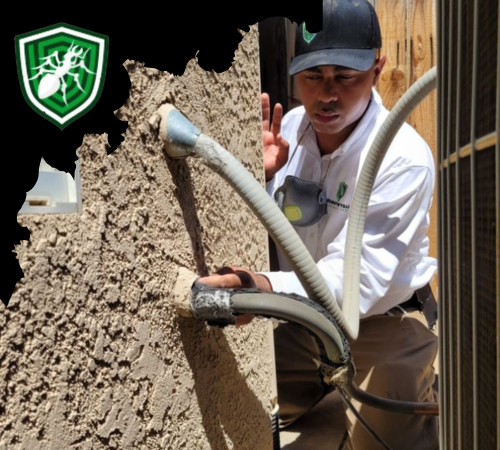
You can expect simple tools rather than theatrics. A flashlight and mirror to see under appliances, a moisture meter if the attic has suspected leaks that attract rodents, and sometimes a thermal camera to spot heat signatures from nests or gaps. The best inspectors take notes and photos. A good rodent inspection Fresno visit ends with an on-site explanation, not a vague promise. You should hear clear language about entry points, conducive conditions, and the next steps for rodent exclusion services or trapping.
What a free visit rarely includes is hands-on remediation. Technicians do not generally seal holes, set a full complement of traps, or start attic rodent cleanup during the inspection. Some may place a couple of monitoring stations to confirm activity, but the bulk of work starts after you approve a proposal.
Who qualifies for a free inspection in Fresno County
Eligibility depends on the provider. Most companies serving the city of Fresno and nearby areas like Clovis, Sanger, and Madera offer no-charge inspections for:
- Owner-occupied single-family homes and most condos or townhomes New residential customers who have not had a rodent service with that company in the past 6 to 12 months Small offices and retail spaces within standard service zones, especially if you are considering commercial rodent control Fresno programs
If you live far outside the core service area, expect a travel fee or a refundable deposit. Renters can schedule, but many companies ask for landlord approval before work begins, since exclusion often involves property alterations. Multi-unit buildings and food-processing facilities usually get a complimentary walkthrough, yet proposals for these sites are more formal, with line items for monitoring, sanitation, and documentation to satisfy audits.
A note on emergencies. Same-day rodent service Fresno is often available, especially during peak roof rat activity in late summer and fall. After-hours or 24/7 rodent control visits may carry a fee even if the routine inspection is free. You can still get an estimate at no charge, but the midnight roll-out to secure a back room or remove a trapped rat is billable.
Signs that justify calling today
Some homeowners call at the first hint of scratching. Others wait for a chewed dishwasher hose to flood their kitchen. The sweet spot is early in the infestation curve. From a technician’s perspective, the most telling rodent infestation signs are fresh droppings that look moist and dark, rub marks along baseboards, and urine odor in warm cupboards or the attic. In Fresno, roof rat control Fresno calls often start with fruit or nut shells scattered under backyard trees and night activity along fences and power lines. House mouse control calls lean toward kitchen and garage finds, like shredded paper nests in stored boxes.
Two signs deserve special urgency. First, chew marks wiring rodents are not a nuisance, they are a fire risk. The outer casing of Romex or appliance cords can show tiny paired gouges or longer shaved tracks. Second, daytime sightings of rats, especially juveniles, suggest a crowded population with limited resources. Both cases warrant a quicker schedule, even if the standard calendar is booked.
What inspectors look for outside the house
Rodent pressure comes from the landscape inward. Inspectors start at the curb and work toward the foundation, looking for conditions that draw rodents to the property. Citrus, almonds, walnuts, and chicken feed are magnets for roof rats. Vines climbing onto eaves create runways. Ivy against stucco hides burrows. Pet food left outdoors is a nightly buffet.
Entry point sealing for rodents begins with measuring holes. A mouse can slip through a gap the size of a dime, a rat through a quarter. In Fresno neighborhoods with stucco over wood framing, expansion gaps around utility penetrations are common. Inspectors probe around the A/C line set, hose bibs, conduit, and the garage door corners where the weather stripping has curled. On roofs, lifted tiles, warped fascia, and open gable vents are frequent culprits. Roof rats prefer elevation, so an orchard-facing wall with a nearby power line can be more vulnerable than a street-facing facade.
A competent report distinguishes cosmetic cracks from active conduits. If a gap has greasy rub marks or hair, that entry is in play. If it is dusty and undisturbed, it might be a future risk but not today’s highway.
What inspectors look for inside
Inside, the technician moves systematically. In kitchens, pull-out drawers where crumbs accumulate, the space under the sink, and behind the refrigerator are prime stops. Droppings near the dishwasher drain or under a warming drawer signal active feeding routes. In the garage, look for shredded insulation in storage cabinets and gnawing at the base of the door. Utility rooms often reveal chewed laundry hoses or gnawed corners of water heater platforms.
Attics get careful attention because roof rats frequently nest there. Inspectors scan for runways across joists, compressed insulation, and darkened paths leading to eave voids. Urine pillars, a crystalline build-up on frequently used spots, are more common with Norway rats, but roof rat latrines in corners show up in Fresno attics too. If attic insulation replacement for rodents might be required, the report should estimate square footage and contamination levels. Crawlspaces, if accessible, show burrow openings and rub marks on beams. Many Fresno homes lack full-height crawlspaces, so inspectors rely on exterior clues when access is limited.
How scheduling works, step by step
Booking a free rodent inspection Fresno appointment is straightforward. Most companies provide online request forms and live schedulers. You pick a day and a two-hour window. Day-of reminders arrive by text. In peak months, aim to schedule three to five days out. Same-day visits open up when emergencies cancel or when a technician finishes early nearby, but counting on that is tough during harvest season when roof rat calls spike.
Technicians appreciate readiness. Clear five feet around the attic hatch. Pull bins away from the garage walls. If you have a dog, secure it. Make a short list of where you have seen droppings, gnawing, or heard noises at night. People often remember the one time the microwave tripped a breaker after a rat chewed a wire, but they forget the cereal liner bags with holes that tell the same story.

What your proposal should include
After the tour, you should receive a written proposal with detailed line items. Even for a free inspection, the documentation should cover species, activity zones, and a plan with pricing tiers. A respectable rat removal Fresno plan reads more like a scope of work than a sales pitch. Expect separation between trapping or baiting, rodent proofing Fresno tasks, and sanitation or attic rodent cleanup.
Proposals vary, but look for these elements:
- Map or list of entry points with planned materials for sealing, such as ¼-inch hardware cloth, concrete patch, metal flashing, and rodent-resistant sealant Device plan, including snap traps vs glue traps rationale, bait station placement if rat bait stations are appropriate, and service frequency Safety and compliance notes if you have pets, children, wildlife, or a sensitive site
Glue boards are useful for monitoring, but for house mouse control and roof rat control Fresno programs, technicians tend to rely on snap traps for humane rodent removal. When used correctly, a snap trap ends activity quickly and avoids some of the suffering of adhesives. Rat bait stations can be the right tool outdoors, especially along fences and behind thick shrubs. They need anchoring, tamper resistance, and a monitoring schedule. Indoors, most Fresno providers avoid loose rodenticide to reduce secondary risks. Eco-friendly rodent control might leverage locking stations with non-toxic monitoring blocks first, then switch to bait only if traps fail to bring numbers down.
Cost expectations after the “free”
The inspection costs nothing, yet the plan that follows is an investment. For standard single-family homes in the Fresno metro, the cost of rodent control Fresno projects tends to fall into ranges based on complexity. A light mouse issue with two or three entry points and a small trap program might start in the low hundreds. A roof rat problem needing full exterior exclusion, attic trapping, and follow-up visits can run into the high hundreds or low thousands. Attic decontamination and insulation replacement drives costs higher, depending on square footage and contamination. Commercial rodent control Fresno contracts, especially for food service or multifamily housing, are typically monthly and scale by site count and device density.
Ask whether there is a guarantee on exclusion work. Many companies offer a 6 to 12 month warranty on sealed entry points, provided you maintain vegetation and do not create new penetrations. Understand what voids that guarantee. A new cable line drilled through siding without a proper escutcheon can undo careful sealing in one afternoon.
Humane and practical approaches, weighed with Fresno constraints
Rodent ethics matter to many clients. Humane rodent removal starts with prevention and quick kills. Snap traps, properly set and checked rodent control daily, rank higher than glue boards in both effectiveness and animal welfare. Live traps seem gentler, but in practice they can stress animals for hours and create release dilemmas. California regulations limit where you can release wildlife, and moving rats off-site often just relocates the problem. In an urban Fresno context, the most humane approach pairs exclusion to keep new animals out with decisive control for those inside.
Poison can be a lightning rod. There is a place for bait, especially outside in locked stations where roof rat pressure overwhelms trapping alone. It integrates well in commercial programs that require rodent population reduction across large perimeters. For homes with pets and raptors in the neighborhood, lean toward mechanical devices and exclusion first. Eco-friendly rodent control is not just about chemicals, it includes sanitation, storage practices, and landscape changes that deny food and shelter.
The role of exclusion and proofing
Trapping is a sprint, exclusion is the marathon. Rodent proofing Fresno projects succeed when they tackle both obvious holes and near-misses. A field-tested playbook includes reinforcing garage door seals, screening crawlspace vents with ¼-inch hardware cloth, adding weep hole covers where appropriate, sealing around plumbing penetrations, and capping gaps behind eaves with metal flashing that resists gnawing.
Pay attention to structural settlement cracks around the slab, especially near the kitchen and the water heater closet. Mice favor these hairline openings. Look up as well as down. Powerlines that drop onto your roof create a rat highway. Trimming trees back 8 to 10 feet from rooflines helps. Vines look charming on stucco, but they hide entry points and give roof rats a stealthy climb. If you store firewood, keep it 18 inches off the ground and at least two feet away from the house.
Attic cleanup: when it is worth doing
Not every attic with droppings needs a full remediation. The decision turns on contamination density, odor, and risk tolerance. If the insulation shows scattered pellets near the hatch and a few rub marks on joists, a targeted vacuum and deodorizer application can suffice. When insulation is matted, urine odors are strong, or there are widespread latrines, attic rodent cleanup should include removal of contaminated insulation, HEPA vacuuming of droppings and nesting, antimicrobial treatment, and then new insulation installed to current R-values. Fresno summers push attic temperatures high, which bakes odor into materials. Skipping cleanup can leave lingering smells that attract new animals even after sealing.
If you tackle this work, ask about negative air containment, PPE, and disposal practices. Containment and HEPA filtration protect indoor air while crews work. Documented process matters as much as the shiny new insulation.
How to prepare your home the week before the visit
This is one of the few times a short checklist helps the process along.
- Clear access to attics, crawlspaces, and behind appliances where practical. Bag and store open pantry items in sealed bins to reduce active food sources. Trim shrubs and pull ivy back from foundation vents so the inspector can see them. Note any dates and times of gnawing noise in walls or sightings; patterns help with trap placement. Secure pets and communicate any special concerns such as immunocompromised family members.
These small steps compress the diagnostic phase. Technicians spend their time inspecting and explaining, not moving boxes.
Residential vs commercial realities
A homeowner wants the scratching to stop and the house sealed. A food facility manager wants documentation that shows trend lines and device checks. Commercial rodent control Fresno programs live on data. Service tickets show how many captures per device, where, and when. Corporate audits expect corrective actions for sanitation and structural gaps. If you manage a restaurant near River Park or a packaging warehouse near the 99, ask for a service map, device list, and monthly trend reports. On the residential side, a photo-rich after-action report builds confidence and gives you leverage with insurance if a chewed wire causes damage.
Choosing a provider without chasing promotions
“Free inspection” is common, so look past the headline. Ask whether the company is licensed bonded insured pest control and confirm the license number. Insurance is not a formality when someone crawls into your attic. Look for experience with roof rat control Fresno specifically, not just general pests. Asking for two or three neighborhood references is reasonable. The good operators do not overpromise. If someone says they can solve years of entry point gaps in one visit without exterior work, keep asking questions.
The team’s approach should feel systematic. Do they separate exclusion from trapping in the estimate? Do they offer follow-ups to confirm the home stays tight? Do they discuss sanitation and storage, not just devices? A local exterminator near me that knows Fresno quirks, like tile roof vulnerabilities and stucco expansion joints, prevents repeat visits.
Addressing common questions before you call
People often ask whether they should clean droppings before the technician arrives. If it is safe to do so with a mask and light disinfectant, it helps, but do not scrub away the evidence entirely. Fresh droppings tell the inspector where to focus. If you do need rodent droppings cleanup before a full program starts, ask the technician to guide you so you do not aerosolize dust.
Another frequent question is whether to start setting traps on your own. Homeowners often try one or two near a pantry. That can help, but a scattered, unplanned approach can educate rodents and make them trap-shy. Better to let the inspection shape a full deployment strategy, especially if you suspect roof rats. Their patterns differ from house mice, and effective placement is less intuitive.
Finally, people wonder whether bait puts pets at risk. In Fresno, modern rat bait stations are tamper resistant and anchored, but risk is never zero. Secondary poisoning concerns are real for wildlife. If you have outdoor cats, chickens, or you enjoy hawks nesting nearby, tell your provider you prefer a trap-forward plan.
Timing, seasons, and reality in Fresno
Rodent activity never vanishes, but it pulses. After harvest and before the first hard cold snaps in the foothills, roof rats move aggressively into warmer structures. Calls spike from August through November. Winter pushes mice indoors. Spring is the best time for exclusion because drying conditions make sealing and painting easier, and you are not competing with as many emergency calls. If you need fast turnaround, ask about same-day rodent service Fresno during shoulder seasons.
Humidity and irrigation patterns matter too. Overwatered lawns and leaky drip lines create slugs and snails, which become a food source. If the inspector notes burrows near a valve box, fix the leak along with sealing holes. Rodent management is as much about habitat as it is about devices.
After the work: keeping the house tight
The best rodent program ends with you barely thinking about rodents anymore. Maintain that by treating exclusion as an ongoing posture, not a one-time event. When a contractor installs a new cable or pipe, insist on a sealed escutcheon. Replace gnawed door sweeps immediately. Walk your exterior quarterly, looking for fresh rub marks or new gaps. Store pet food in metal cans with tight lids. Clean fruit drops under citrus trees every few days during the season. Small routines add up, and they cost less than another round of emergency service.
If you are part of a homeowners association, share the plan. Roof rats do not respect property lines. A cluster of homes coordinating tree trimming and sealing within the same month often see better results than one house going it alone.
The bottom line on eligibility and scheduling
A no-cost inspection is often available to Fresno homeowners and many small businesses within standard service zones. Expect a thorough look, photographs, and a clear plan, but not immediate repairs during that first visit. If you live further out or need after-hours help, ask upfront about fees. Schedule early during late summer and fall when roof rat calls surge. Prepare by clearing access and noting activity patterns. Use the visit to gather specifics about rodent proofing Fresno scope, trap strategies, and any attic rodent cleanup needs. Balance humane rodent removal with practical constraints. Finally, treat exclusion as the centerpiece. Traps clear today’s problem, but careful sealing, storage, and landscape tweaks keep the next wave outside where it belongs.